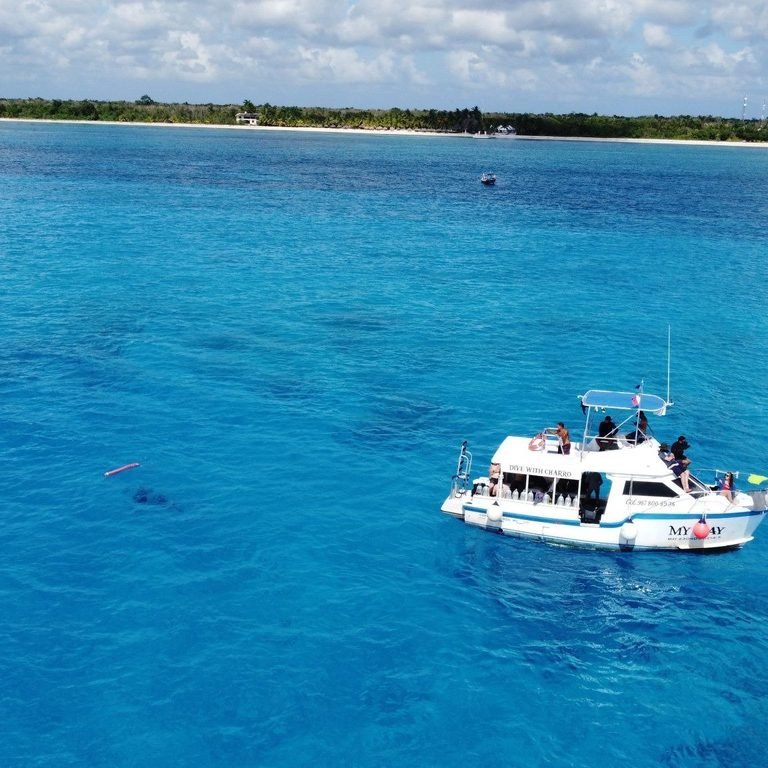
What drift diving in Cozumel is like and which reefs to dive
Walls, outrageous visibility and the famous drift diving make Cozumel a compulsory stop for any diver.
What makes Cozumel special?
Cozumel sits on the Mesoamerican Barrier Reef, the second largest reef system on the planet after Australia's Great Barrier Reef. But what makes it a world-class destination is not only the reef — it is the current.
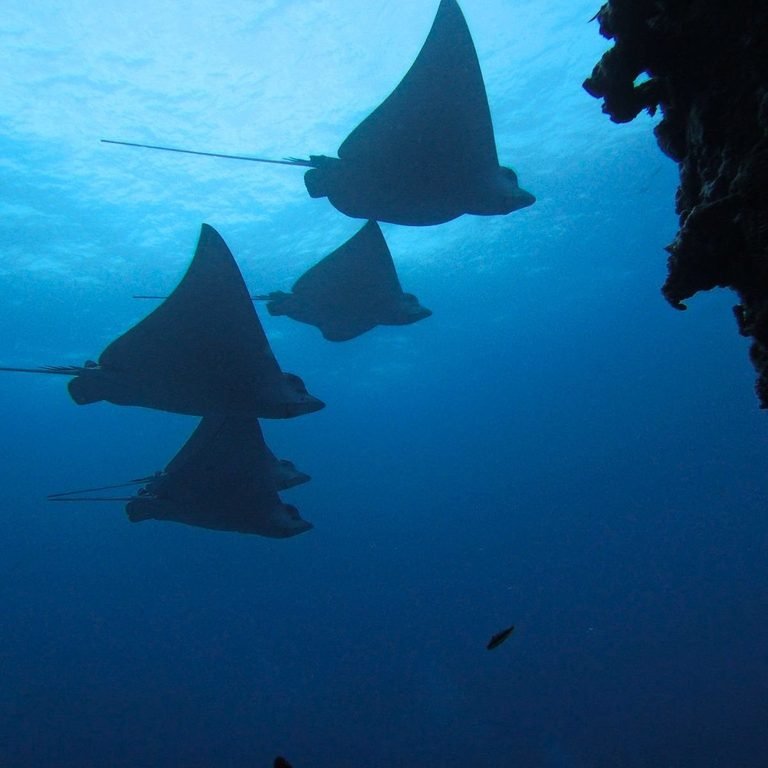
The Caribbean current constantly sweeps the island's west coast with clean open-ocean water. The result is visibility that routinely exceeds thirty metres, vertical walls disappearing into the blue and a density of marine life that stays high all year.
What is drift diving?
It means diving while letting the current gently carry you along the reef. Instead of swimming, you float and move effortlessly as the scenery passes in front of you.
It has three advantages that are not obvious until you try it:
- You use far less air because you are not swimming, so dives last longer.
- You cover far more reef than you could swim in the same time.
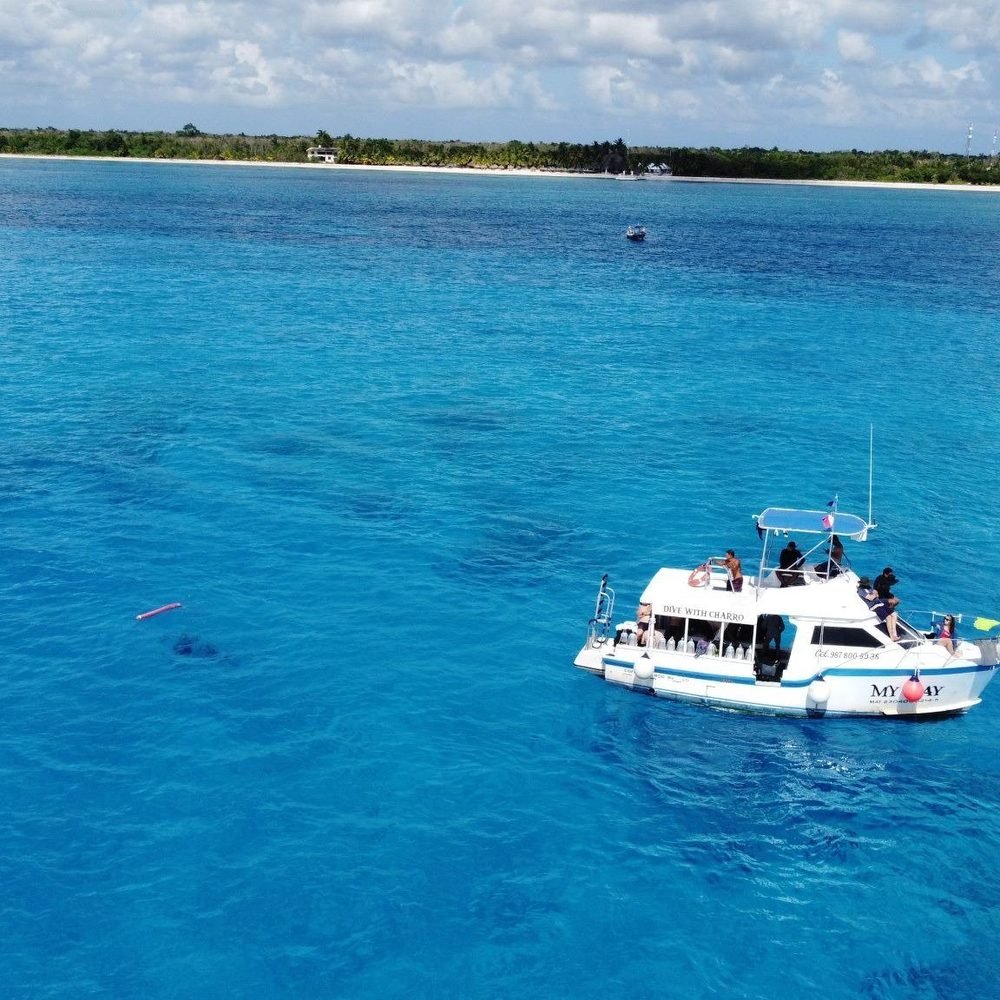
- No returning to the entry point. The boat follows on the surface and picks you up wherever you finish.
All you need is reasonable buoyancy control to hold your depth. The current does the rest.
The best reefs in Cozumel
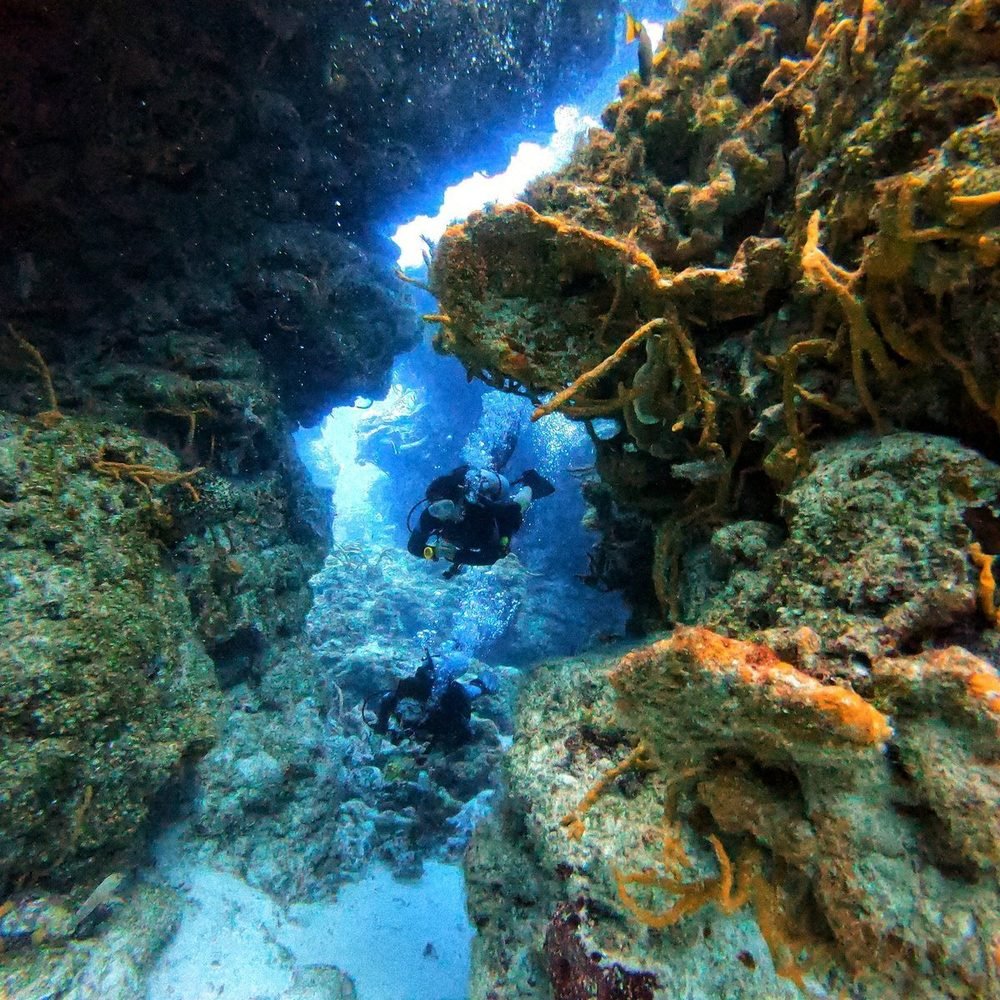
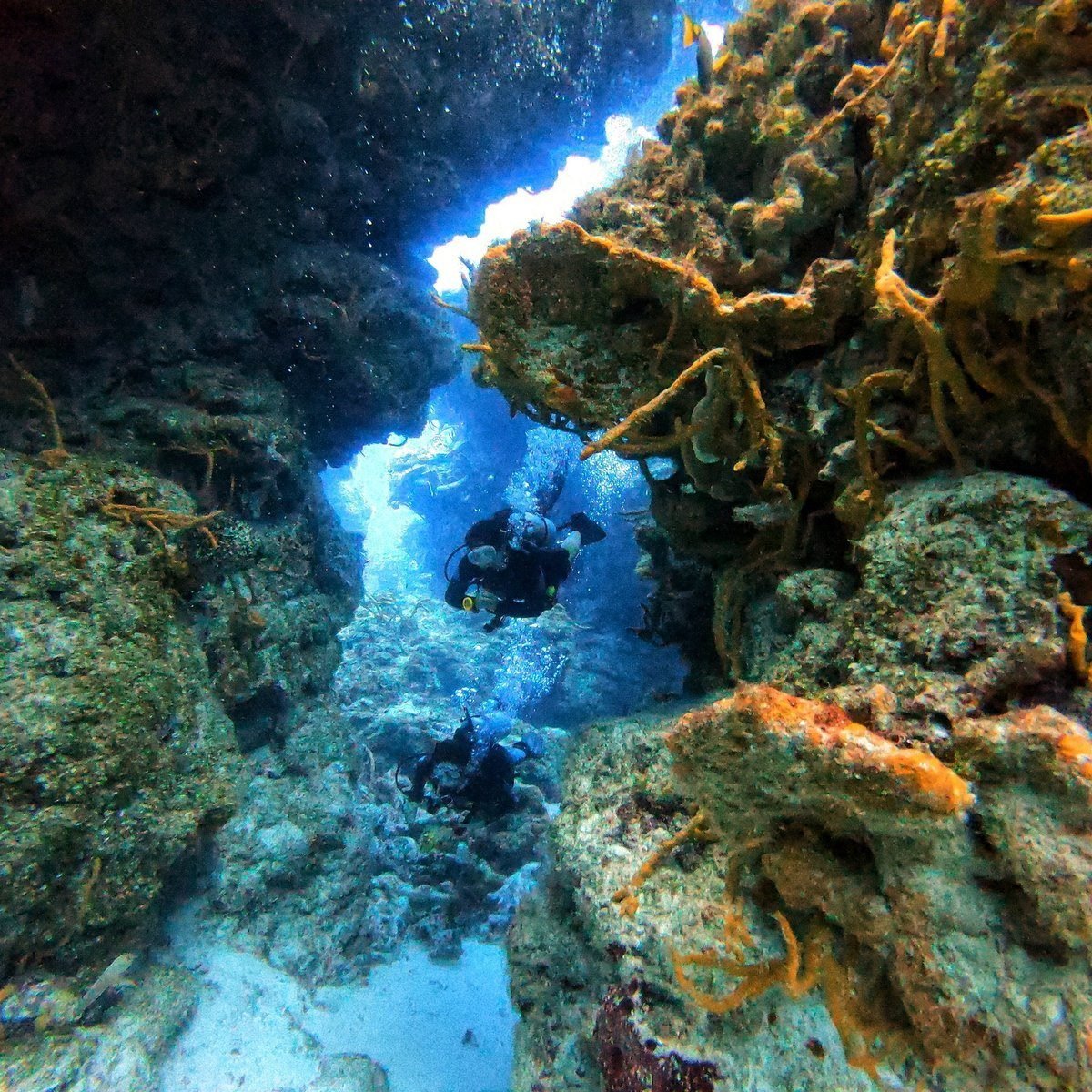
Palancar. The most famous of all. It is not a reef so much as a system of canyons, caves and enormous formations you travel through from the inside. It has several sections — Gardens, Caves, Bricks, Horseshoe — and each is practically a different dive.
Santa Rosa Wall. Cozumel's classic wall. It drops vertically from around fifteen metres, with giant barrel sponges, swim-throughs and black grouper patrolling the edge. Current usually moderate to strong.
Colombia and Punta Sur. The most dramatic, with cathedral-like formations and deep passages. Reserved for experienced divers with good air consumption, because the current can be considerable.
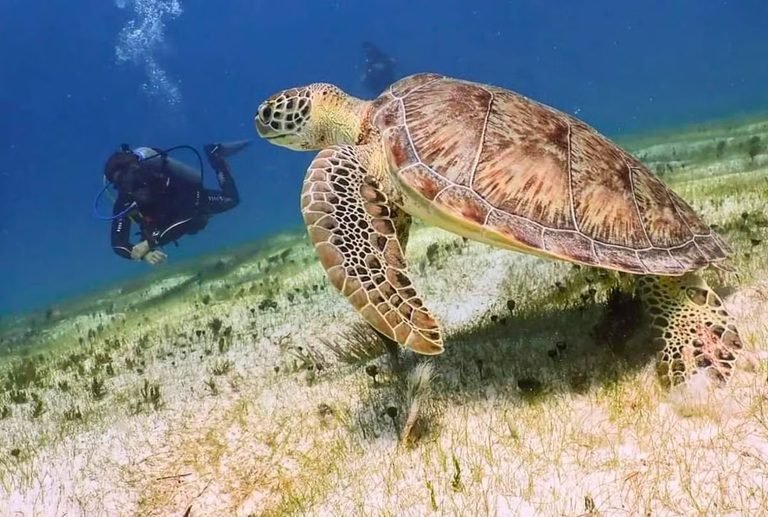
Paraíso and Chankanaab. Shallow and very bright, ideal as a second dive and for newly certified divers.
Requirements and practical tips
- Open Water certification and a dive within the last six months. Otherwise, a same-day refresher.
- Reasonable buoyancy control. In current you cannot constantly correct with your fins — you need to be neutral.
- Two-person minimum per departure.
- Bring a surface marker buoy (SMB) if you have one. On drift dives it is good practice and at some sites it is mandatory.
- Book the ferry with margin. It is about 45 minutes from Playa del Carmen and fills up in high season.
- Nitrox if you have it. At a destination where you will do several dives a day across several days, the difference in fatigue is noticeable.
When to go
Cozumel dives well all year with excellent visibility, and that is one of its big advantages over other destinations.
The lower-wind months — spring and early summer — tend to give calmer conditions and more frequent access to the southern sites, which are the most spectacular but also the most exposed.
From November to February northers can temporarily close a site, but the island's west coast is sheltered and there is almost always a diveable alternative.
This guide explains what drift diving is. The trips, the prices and the schedules live on our scuba diving in Cozumel page, which is where the island dives are booked.