The same experience, without sharing a boat with strangers. A whole vessel for your group of up to ten, a flexible sch…
MX$29,500MX$27,000per boat
View details ›
When the season runs
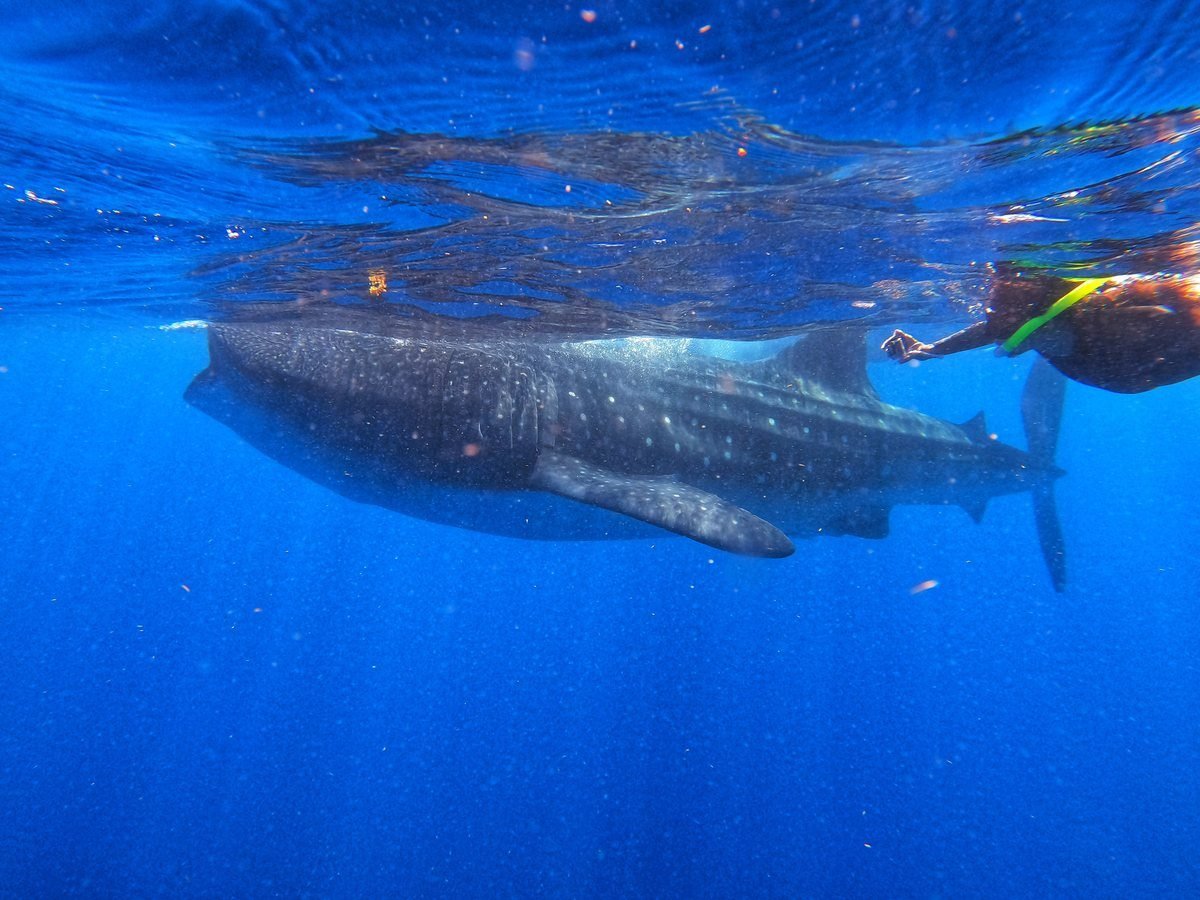
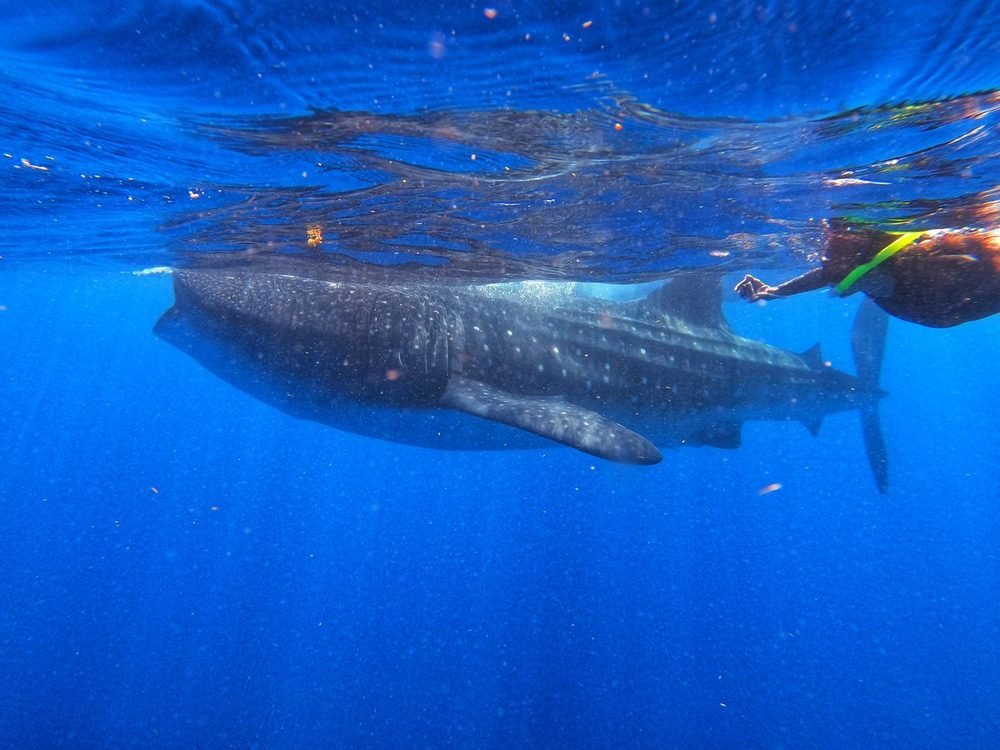
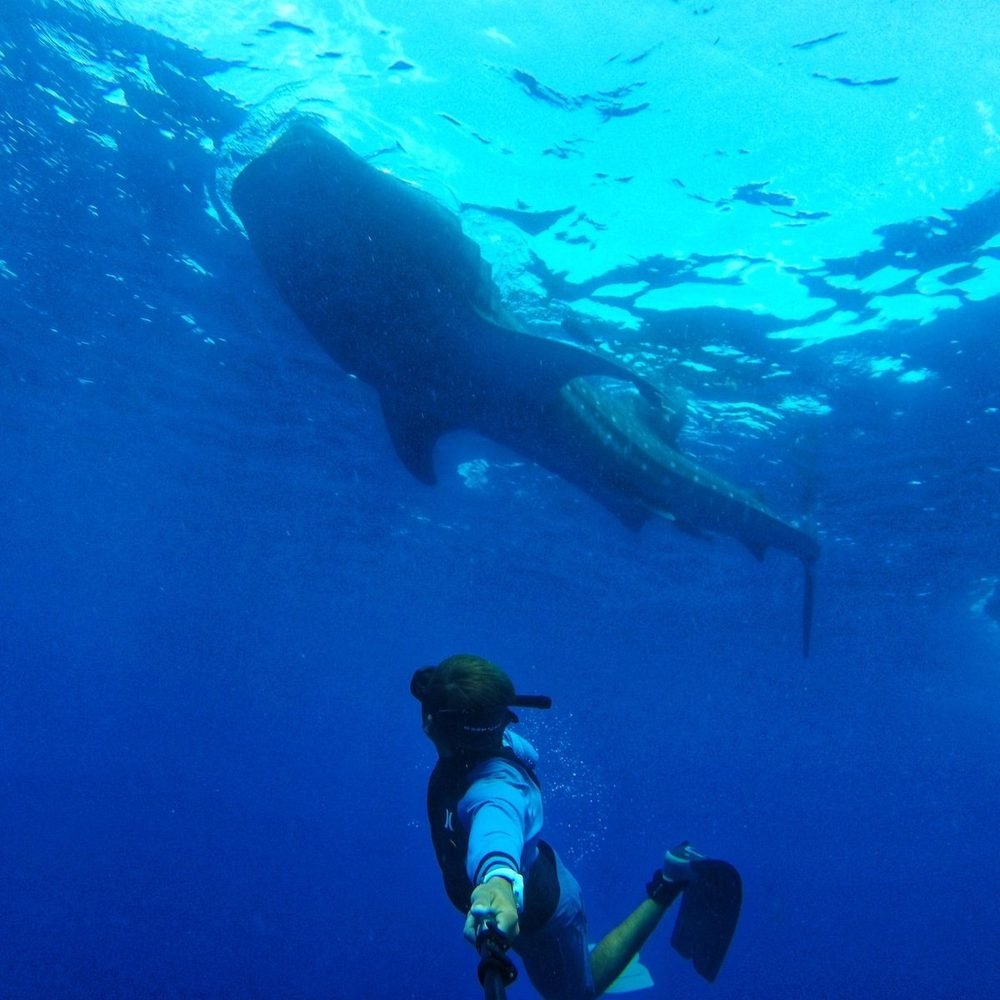
The whale shark season in the Mexican Caribbean runs from mid-May to mid-September, peaking in July and August. During those months currents concentrate plankton near the surface off Isla Mujeres and Isla Contoy, and the whale sharks arrive to feed.
May and the first half of June: season opening, fewer boats and good sightings. July and August: absolute peak, with the largest aggregations. First half of September: closing, with excellent days and far fewer people.
Outside those months the activity is not offered. If someone sells it to you in January, be sceptical.
How the trip works
We leave early from Punta Sam pier, north of Cancun, and head for the aggregation zone. Travel time depends on where the animals are that day.
Once there, you enter the water in turns: two swimmers plus the guide, always with a life jacket and always respecting the minimum distance set by the protected area regulations. You do not touch the animal, do not cut across its path and do not use flash.
Everyone gets several turns. On the way back we usually add a reef snorkel stop.
This is snorkelling, not diving: no certification or experience required. Just comfort in the water.
Shared trip or private charter
The shared trip is the standard option: a boat with other travellers, from MX$2,700 per person. Small groups and orderly turns.
The private charter books the whole boat for your group of up to ten, at MX$27,000. The real advantages are the flexible schedule — you can leave ahead of the fleet, when fewer boats sit over the animals — and far more water turns per person.
From six people up, the charter usually works out better value than the shared trip.

FAQ
Frequently asked questions
Do I need to dive to swim with whale sharks?
No. This is surface snorkelling. You only need to be comfortable in the water; a life jacket is mandatory and a guide accompanies every turn.
Is it dangerous?
No. Whale sharks are filter feeders and pose no danger to people. The activity is regulated by the protected area: a limited number of swimmers in the water, a minimum distance and no touching.
What if no sharks show up?
In peak season sightings are very frequent. To maximise your chances, pick peak dates (July and August) and leave early. No serious operator can guarantee wildlife sightings.
Can I dive the same day?
Combining diving with this trip on the same day is not advisable because of the pressure profiles. We can build a multi-day itinerary that includes both.
Verified reviews
What our divers say
Real reviews published on our Google Business Profile.
“Excellent experience! Rene is a brilliant guide — you can tell he loves what he does and passes on his passion for the sea and marine life at every moment. His instructions and dive plan before every dive make you feel safe and let you enjoy the flora and fauna even more. Highly recommended, I already want to plan new dive trips!”
Judith Schramm FloresLocal Guide · 19 reviews
★★★★★
“I had an excellent experience with Scuba & Adventours Mexico starting my PADI Open Water Diver certification. Everything was explained very clearly and all my questions were answered along the way. Instructor René has a real talent for explaining things simply and clearly.”
Alejandro CorresPADI Open Water course
★★★★★
“My first time in the diving world! I'm so grateful because my experience with Scuba was incredible — the support and professionalism of René, Delfina and captain Larry make you feel safe at every step. I'll definitely be back with them to certify.”
VictoriaLocal Guide · 28 reviews
Shall we book your dive?
Message us on WhatsApp and we'll confirm availability the same day. Small groups — spots go fast in season.