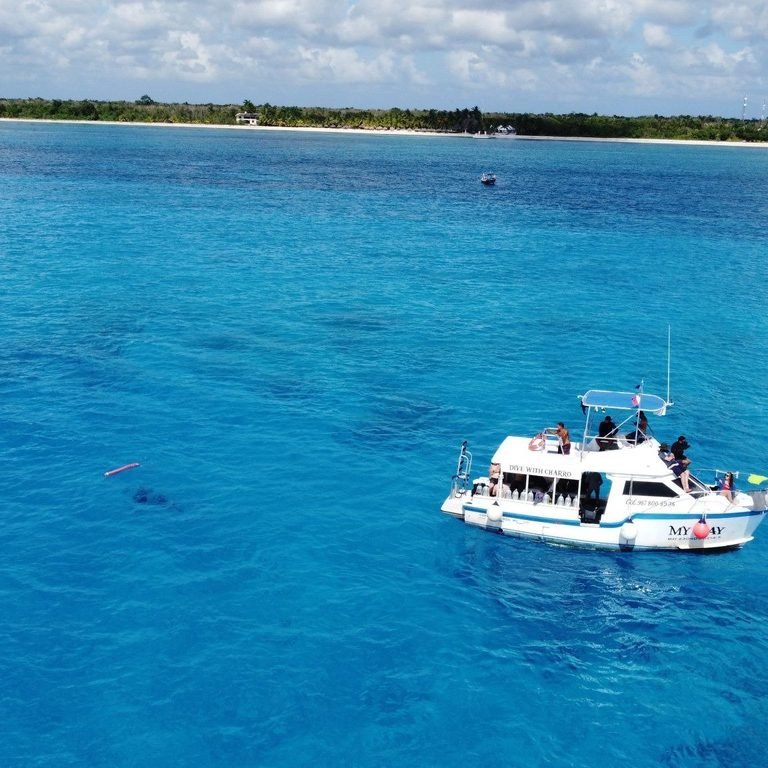
Is diving in Cancun safe? How we work and what we require
Recreational diving is safe when the procedure is respected. This is exactly what we do every morning, and you can hold us to it.
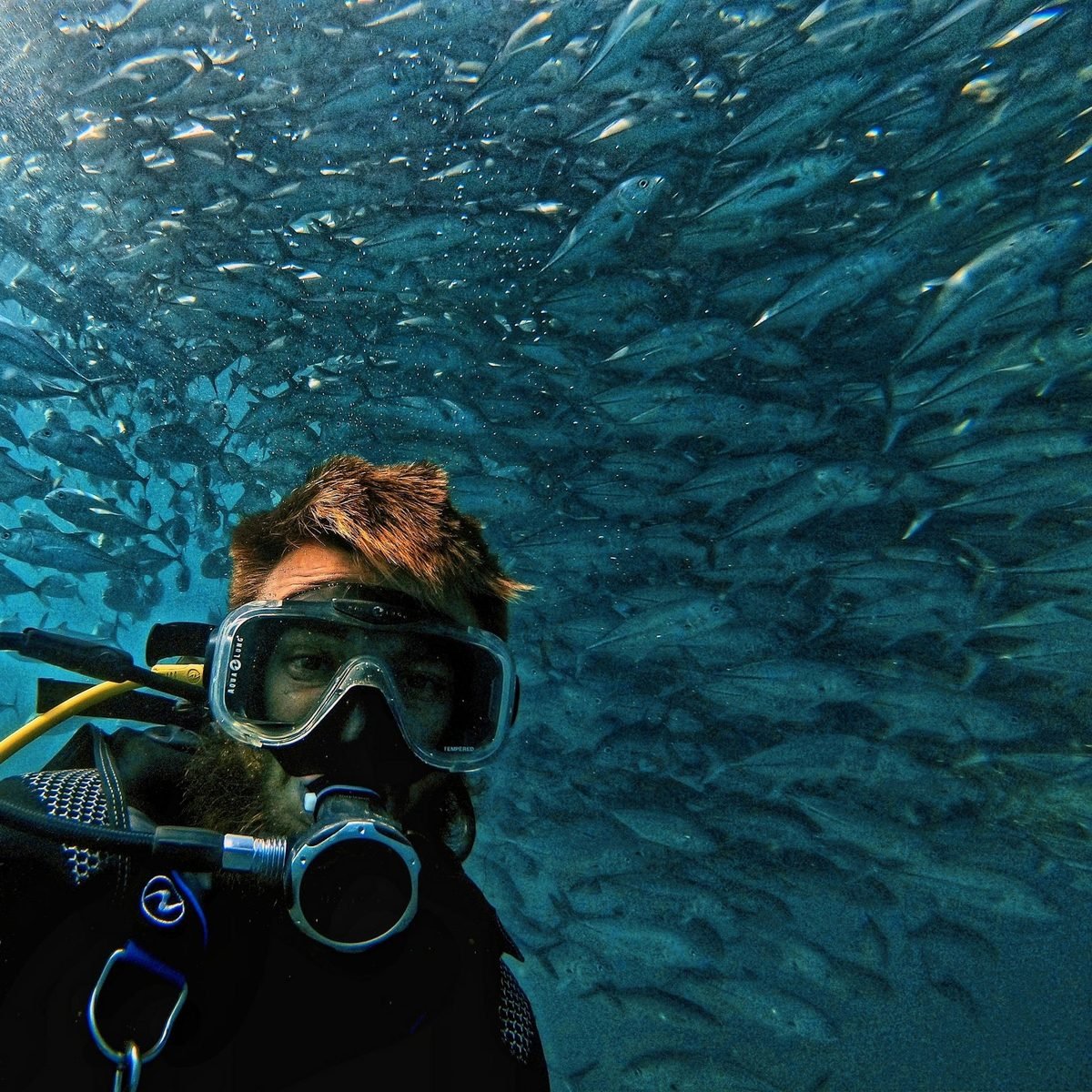
Recreational diving is safe when the procedure is respected
There is no magic here. Dives that go wrong almost always share the same causes: groups that are too big, gear that was not checked, thirty-second briefings, and decisions made so as not to lose the day's sale.
We have been operating in the Mexican Caribbean since 2020, with more than 8,000 divers guided and a team of instructors who have been diving this coast for over twelve years. What follows is not a list of good intentions: it is what we do every morning, and you can hold us to it.
What we ask before you get in the water
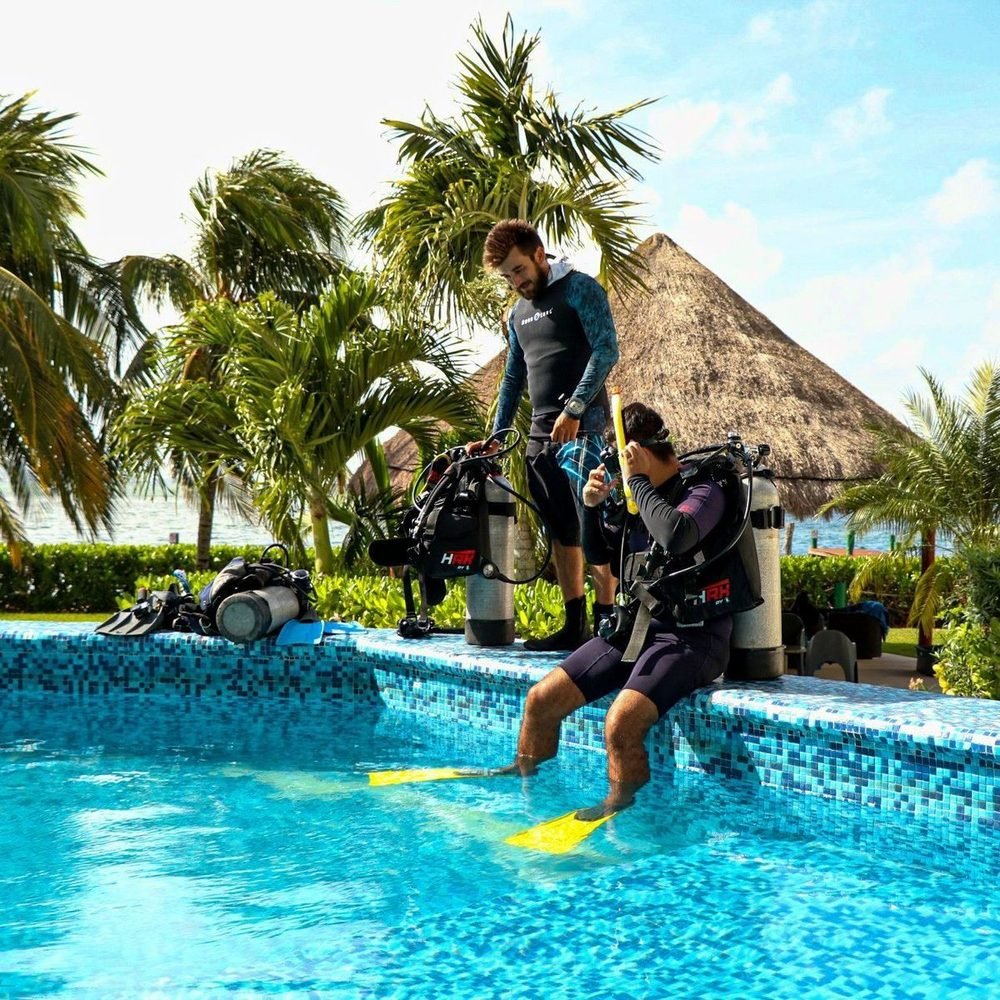
Two things, and neither is negotiable. First, a valid certification: bring your physical or digital card. Second, a dive within the last six months. If it has been longer, no problem: we run a same-day refresher in shallow water so you go down with fresh skills and correct weighting.
This is not bureaucracy. A diver three years out of the water dropping straight into a deep cenote is a risk to themselves and to the whole group. Half an hour of review solves it.
“Small groups” is not a brochure line
A guide can genuinely watch a limited number of people. Above that they stop guiding and start counting heads. That is why we cap the group per guide and never overload a trip, however much demand there is.
Gear is checked before every trip, and the briefing covers the plan, the signals, the meeting point and the procedure if someone gets separated. Every time, including with veteran divers.
Cenotes: cavern, not cave
This is the most important distinction on this page. We dive the cavern zone: always within reach of natural light, with a permanent guideline and a specialist guide. We do not offer cave diving as a recreational activity, because it requires a specific technical certification that most divers do not hold.
If someone offers you “cave diving” without asking for that certification, that is your cue to get up and leave.
When we say no
We say no when wind, current or visibility do not cooperate, and we say no when a diver is not in shape for the dive they want to do. Both cost money that day and save trouble forever.
It almost never means cancelling: it means changing site. A norther that closes Punta Cancun leaves the cenotes perfect, and a strong current in Cozumel turns an advanced site into an excellent shallow reef.